
Before the Pad | Optimizing Heap Leach Recovery
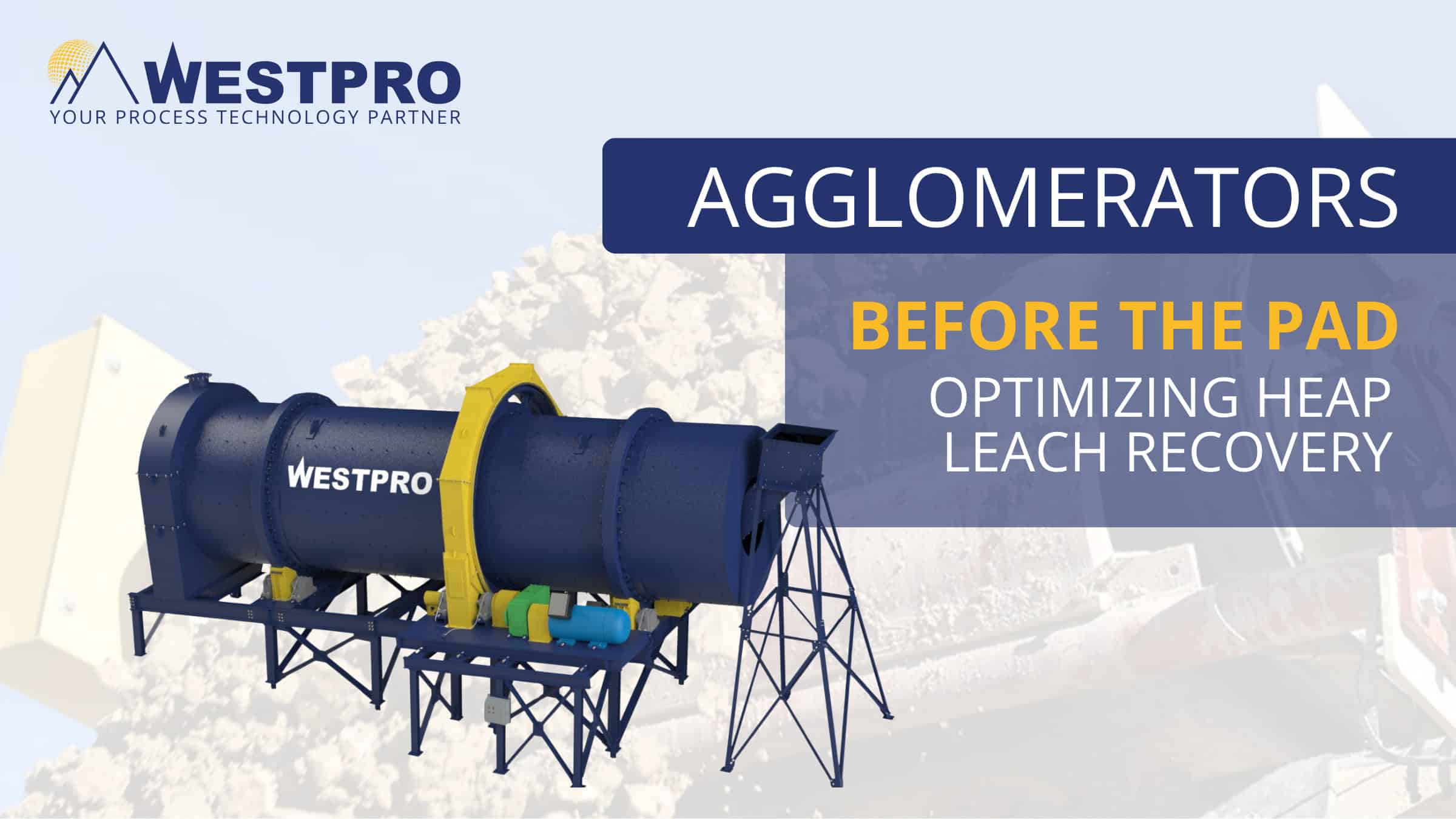
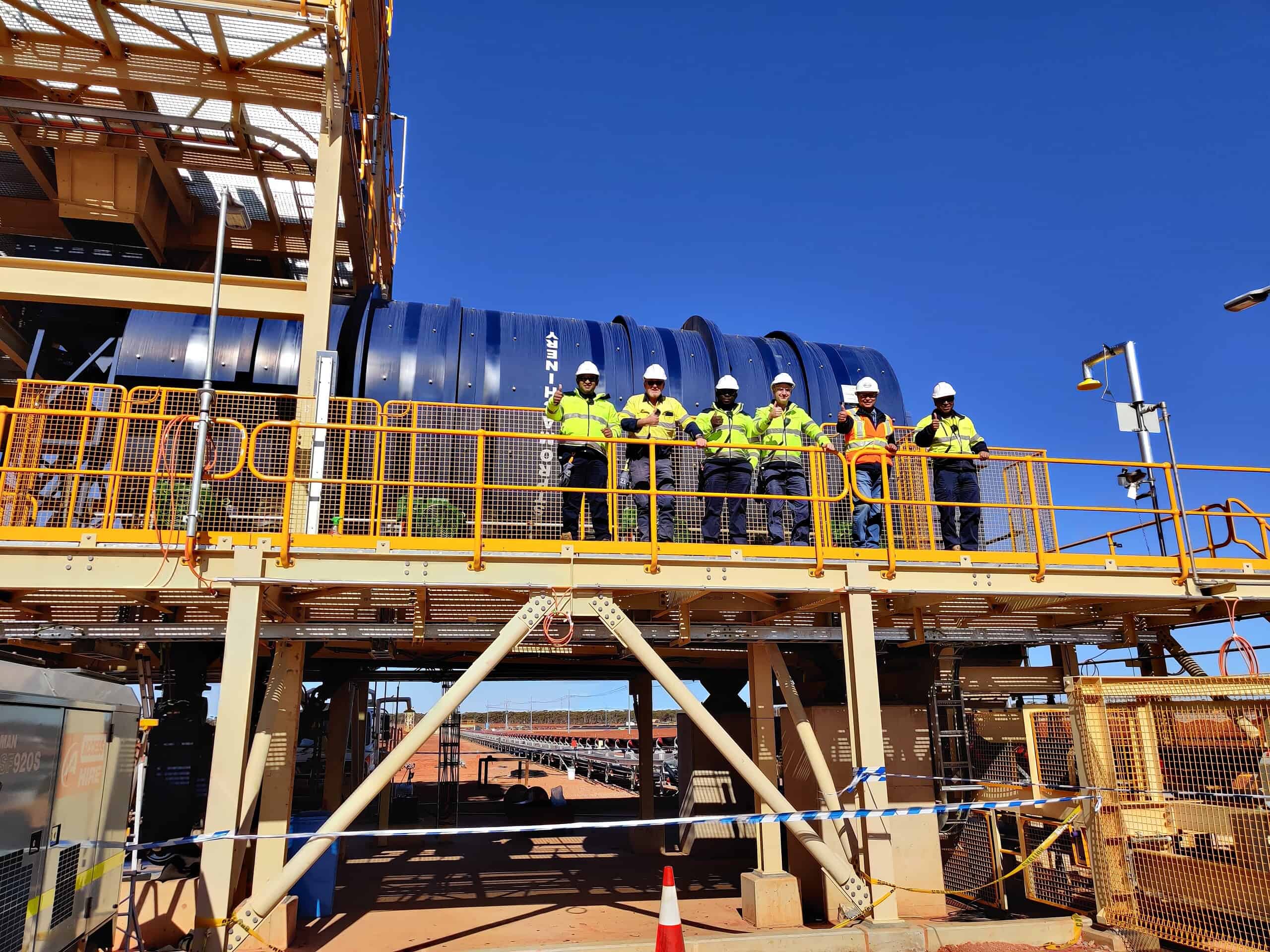
When a heap leach operation struggles with permeability, channeling, or uneven recovery, the pad usually receives the blame. But the visible symptom may have started earlier, while crushed ore, moisture, and reagent were being brought together in the agglomeration drum.
What is Agglomeration in Heap Leaching?
Heap leaching is the process of spreading crushed ore, in the form of agglomerates, across a heap leach pad and applying a leaching solution to dissolve the desired metals into a pregnant leach solution (PLS). That solution is then sent to the next stage of processing to recover the valuable metal. The crushed ore, which naturally contains a large amount of fine particles known as “fines”, must first be bound into uniform agglomerates before it can be sent to the heap leach pad. But why?
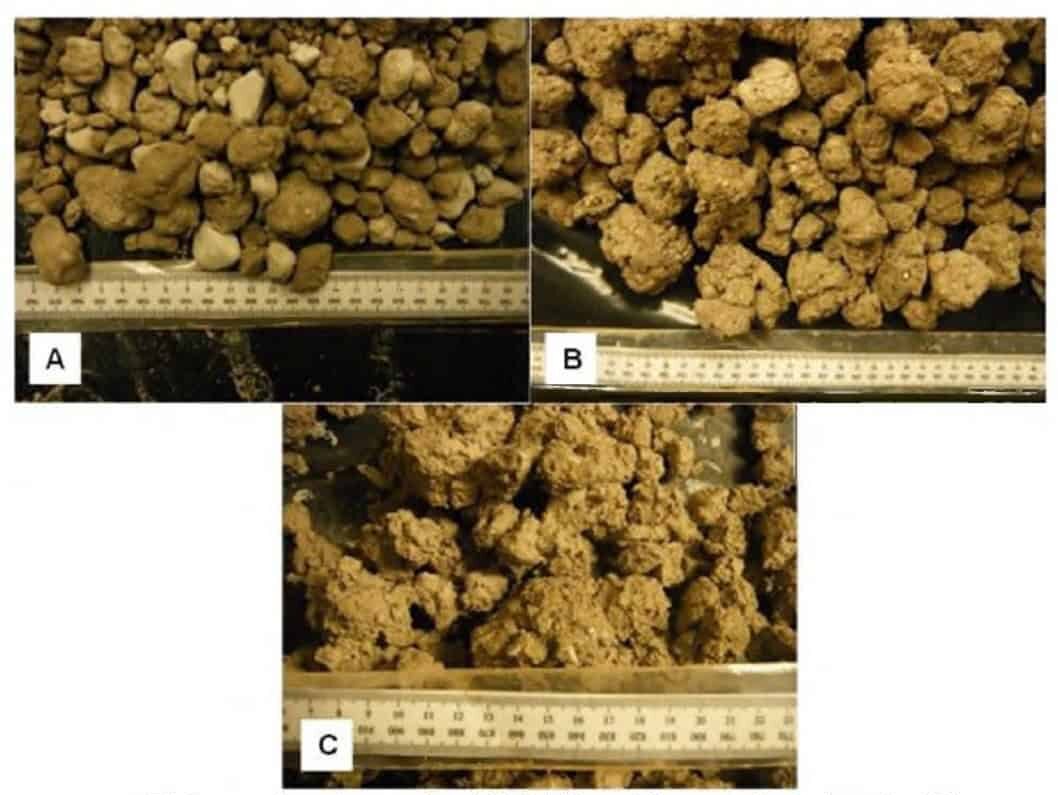
(B) 13.0% moisture content – good looking,
(C) 16.7% moisture content – too wet
Without binding the fines together, they act like dust in a coffee filter; they can migrate, compact, and fill the interstitial voids between larger rock particles, severely reducing permeability and causing channeling, where the leaching solution bypasses sections of the ore. Good permeability, or the ability of the solution to move freely and uniformly through the ore column, is essential for maintaining proper kinetics and maximizing overall mineral recovery. By binding the crushed ore, or fines, together through agglomeration, a more open and porous structure is created. This allows the leaching solution to flow more evenly through the heap and contact the valuable minerals more effectively. The result is a more efficient leaching process that helps recover a greater percentage of the valuable mineral from the ore.
The Heap Leach Pad is Where the Symptoms Appear
Heap leaching is a connected system. Crushing establishes the particle-size distribution. Agglomeration conditions the ore. Conveying and stacking influence degradation and segregation. Irrigation then exposes the strengths or weaknesses created by those earlier steps. Optimizing only the final stage risks treating the symptom rather than the root cause.
Instead of asking: “Why is the pad under-performing?”, consider asking: “Are we consistently producing agglomerates that can survive handling, stacking, and irrigation while preserving the void space needed for solution flow?”

How Do Agglomerators Impact Heap Leaching Operations?

Feed Consistency
Agglomeration performance begins with the material entering the drum. Changes in fines content, clay content, moisture, and feed rate can change the way particles build into pellets. A system designed around one operating point may struggle if the real feed varies widely and the controls do not respond.

Moisture and Reagent Distribution
Adding the right total amount of liquid is not the same as distributing it effectively. Spray-bar location, nozzle selection, pressure, coverage, and control all influence whether moisture and binder contact the ore evenly. Localized over-wetting can create sticky masses and buildup; under-wetting can leave fines unbound. Both conditions reduce consistency.

Residence Time and Drum Rotation
Drum diameter, length, slope, speed, lifter arrangement, and feed rate work together to determine residence time and particle motion. The objective is controlled tumbling that encourages fines to adhere without excessive impact or attrition. More time is not automatically better if the material is being handled in the wrong way.

Mechanical Repeatability
A robust drum, properly selected drive, wear protection, and accessible maintenance layout do not replace process design, but they help the process hold its intended operating conditions. Reliability matters because variable mechanical performance quickly becomes variable pellet quality.
Why High-Altitude Projects Deserves Their Own Conversation
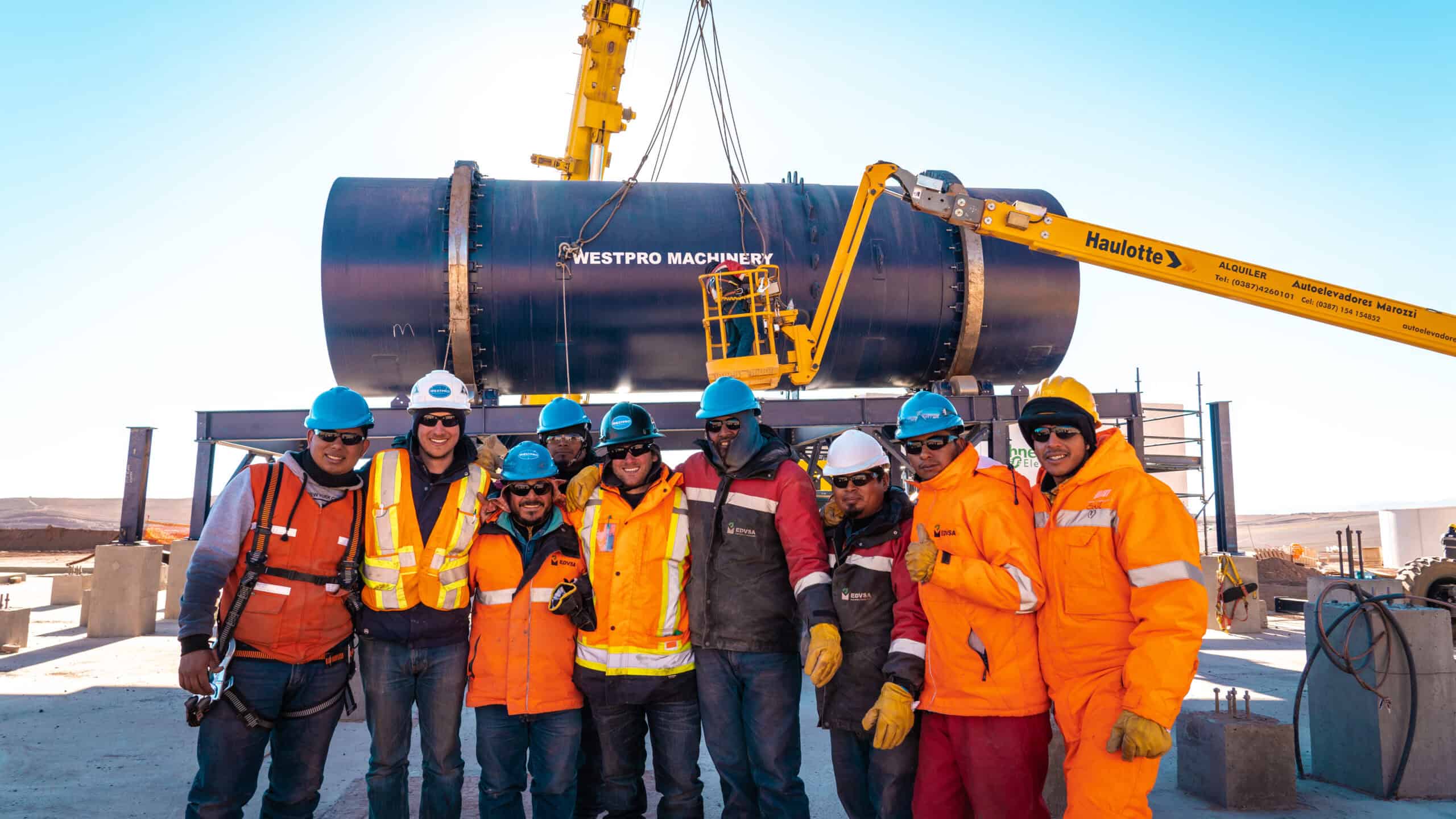
Gold and copper projects in high-elevation locations, such as Chile and Argentina, can combine abrasive ore, high-throughput requirements, elevation, temperature swings, remote logistics, and demanding operating schedules. Those conditions make generic equipment selection risky. The agglomerator must be configured around the ore and the site, not selected as a stand-alone rotating drum. As projects advance, early decisions about ore preparation can shape the stability, maintainability, and scalability of the eventual heap-leach circuit.
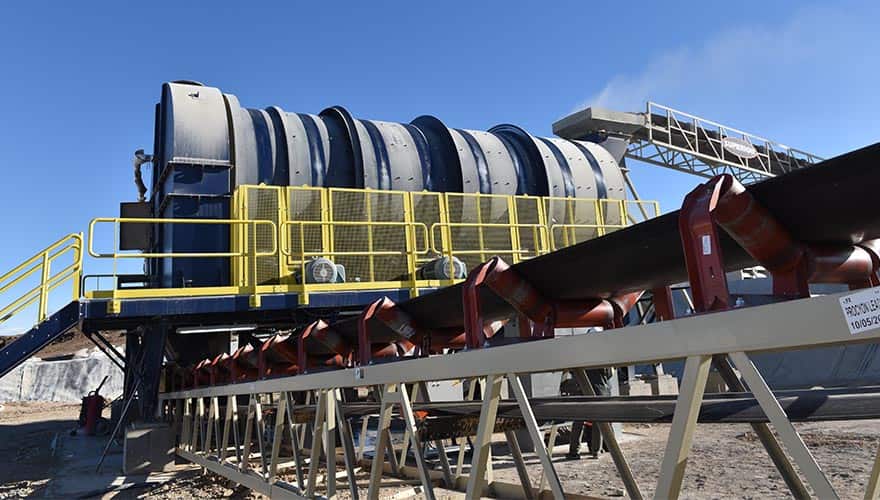
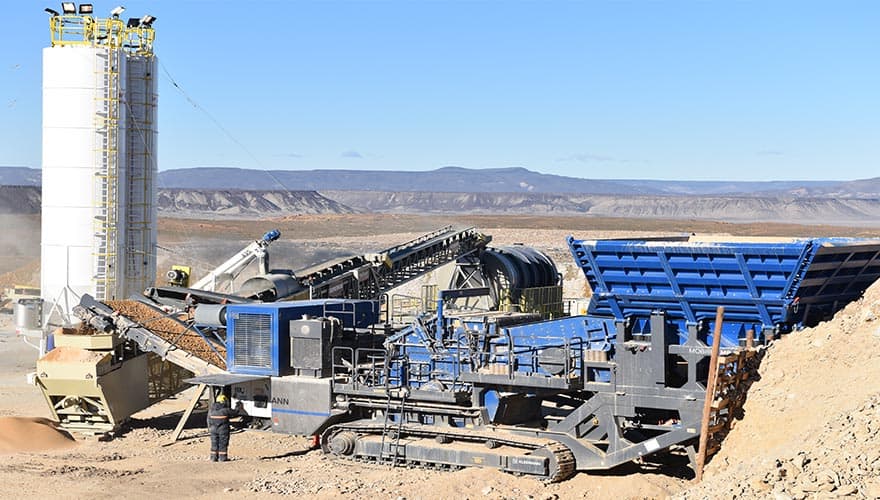
Gold & Copper Heap Leach Agglomeration in South America
Move the Heap Leach Recovery Conversation Upstream
The point is not that every heap leach issue is an agglomeration issue. Irrigation, stacking, ore variability, and pad design all matter. The point is that agglomeration deserves to be investigated as an active process step; one that affects permeability before the first drop of solution reaches the heap.
Westpro designs agglomerators around application data such as throughput, feed characteristics, moisture and reagent requirements, residence time, site conditions, and maintenance philosophy. Our application-first approach helps move the discussion from “Which drum size?” to “What pellet quality and operating stability does the circuit require?”
Planning a gold or copper heap leach project? Send Westpro your application data to start a heap leach agglomeration review.